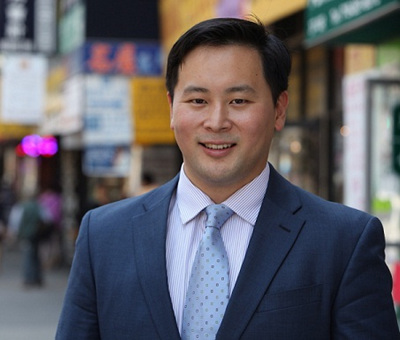
론김 의원 금융권이용 편의 도모 촉구
Newsroh=임지환기자 nychrisnj@yahoo.com
미국식 계(契) ‘렌딩 서클’ 아시나요.
미주한인사회에서 계모임으로 인한 피해가 빈발하는 가운데 한인 정치인이 당국에 아시안을 위한 금융권 이용 교육 강화를 촉구하고 나서 관심이 인다.
뉴욕주 론 김(김태석) 하원의원은 10일 불법적인 ‘렌딩 서클’을 이용하던 이민자들이 수십만 달러를 잃은 사례가 발생한 사실을 지적하고 뉴욕주 재정서비스국(DFS)에 아시안 금융교육 강화를 촉구했다.
론 김 의원
렌딩 서클(Lending Circle)은 한국의 계 모임과 같이 개인들이 모여 신용등급(信用等級)과 관계 없이 가입해 목돈을 모으는 시스템으로 한국과 중국계 이민자들이 많이 활용하고 있다. 하지만 운영자(계주)가 목돈을 제대로 운용하지 못하거나 돈을 들고 잠적(潛跡)해 피해를 보는 사례들이 늘어나고 있다.
최근 뉴저지 팰리세이즈팍에서는 한인들을 중심으로 계를 운영하던 K씨가 잠적했다가 파산절차를 밟고 있는 사실이 드러나 채권자 등 계원들이 피해를 보는 일이 발생하기도 했다.
피해자들은 K씨가 곗돈을 돌려주지 않기 위해 고의로 파산절차를 밟고 있다고 주장하며 청산절차를 막기 위해 변호사를 선임, 소송을 제기하는 방안을 검토하는 것으로 알려졌다.
론 김 의원측은 “렌딩 서클은 매월 고정된 모임에서 한 사람에게 목돈을 만들어주고 보통은 나이가 많은 사람이나 신용할 수 있는 사람이 주도하여 돈관리를 하게 된다. 특히 미국에서 계는 크레딧 스코어같은 신용기록이 없고 언어 문제와 이곳 시스템을 몰라서 돈을 빌리기 어려운 이민자들에게 인기를 누리고 있다.
그러나 제도권 시스템이 아닌 만큼 계주가 돈을 갖고 사라지는 등의 문제가 생기면 법적 보호를 받을 수 없게 된다. 이같은 렌딩 서클 피해는 한인들은 물론, 맨해튼과 브루클린 등 중국계들이 많이 거주하는 차이나타운에서 발생하고 평생 모은 돈을 투자해서 날리는 경우도 있는 것으로 알려졌다.
론 김 의원은 “새로운 사업을 시작하는 업주 중 25% 이상이 이민자들로 이들은 이민자 업주들이다. 많은 이민자들이 신용등급 문제, 언어 문제, 금융정보 부족으로 대출(貸出)을 받는 것에 어려움을 겪고 있다”고 지적했다.
김의원은 “뉴욕의 경제발전에 큰 동력을 제공하는 이민자들을 위한 금융서비스 교육을 강화하고 다양한 펀딩 프로그램 구축하는 등 신용등급을 쌓을 수 있는 기회를 제공해 줄 것을 요구했다.
글로벌웹진 NEWSROH www.newsroh.com
<꼬리뉴스>
AM RON KIM AIMS TO HELP VULNERABLE IMMIGRANTS AVOID “LENDING CIRCLES”
Assemblyman Ron Kim sent a letter to Maria Vullo, Superintendent of Financial Services for the New York State Department of Financial Services, advocating for increased funding and resources for programs to help new immigrants gain financial literacy and access to more traditional forms of credit.
In the U.S., more than a quarter of all new businesses are started by immigrants, but many of these entrepreneurs lack the credit history to borrow from traditional banks. They often turn to unsanctioned credit systems because they lack other means of accessing the capital they need. Citing recent reports, the Assemblyman highlighted the collapse of several so-called “lending circles” – large, unsanctioned credit associations popular among recent immigrants, particularly those without credit histories or scores – in the Chinatowns of Manhattan and Brooklyn. Some of the victims had contacted the Assemblymember’s office seeking help after the debacle, and many of the participants had invested and lost their life savings.
Such lending circles are an unlawful type of “rotating savings and credit associations”, one which combines peer-to-peer banking and peer-to-peer lending. They work by having each member contribute a fixed amount at monthly meetings, and whenever one member is in need of financial assistance or capital, he or she can access the entire deposited amount. One person, usually a senior figure or trusted member in the community, is charged with keeping and keeping track of the money – if he or she mismanages or suddenly disappears with the funds (as was the case with the recently collapsed circles), the members have almost no form of recourse.
These types of agreements have proven to be particularly popular among recent immigrants who don’t have a credit score or history and do not qualify for conventional loans. Even among many that may qualify, language barriers and a lack of financial literacy can prevent them from making informed decisions. Many of the members rely on the lending circles as their only resource for accessing a large amount of credit quickly, often to start or invest in their businesses.
“Many immigrants turn to these lending circles because they can’t get a loan anywhere else,” stated Assemblyman Ron Kim. “New immigrants don’t have any credit history or scores, and often face institutional or cultural barriers. They are the driving force of economic development in New York, but are often disadvantaged when it comes to accessing the capital needed to start businesses. This makes them especially vulnerable to scams and unsanctioned ‘lending circles’. I am calling on the State Department of Financial Services to work with my office in bringing them out of the shadows; we need to start programs to boost financial literacy among recent immigrants and help them build the credit they need to succeed.”

 뉴욕 :
뉴욕 :  파리 :
파리 :  서울 :
서울 :